
19 Oct 2026, 04:45 PM
Can countries deliver on a deal to save the world’s plants and animals?
G
Guard News
@guardnews
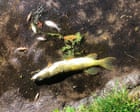
Four years ago nearly every government on Earth agreed to protect nature. Now, as countries gather for Cop17, the pressure is on to follow through on those commitmentsCop17 at a glance: everything you need to know about the UN’s nature summitPassersby could smell the dead fish before they saw them. In August, more than 3,000 pike, roach, carp and rudd were found lifeless along the River Wensum in Norwich. Some gasped for air in their final moments, desperate for the oxygen that heatwave conditions had depleted in the water. Investigators believe that the die-off was triggered by heavy rainfall that flushed through high concentrations of pollution at a time when wildlife were already struggling.The 45-mile (70km) chalk river is one of about 250 in the country. They are a geological accident almost unique to Britain – and one of Earth’s rarest habitats. They emerge from chalk aquifers and are home to species such as freshwater shrimp, otters and stoneflies, also providing drinking water for millions of people. But just 11 have formal protection, with many ravaged by sewage pollution and overextraction. The Norfolk river is one of the few that does have legal protection, but it is in poor ecological health. Continue reading...
Source Credit: theguardian.com
Read Full Story
2
More News




Comments (0)